By Inside Gilgit Baltistan | Northern Passage Tours & Travels
⭐ 4.9 Rating | 200+ Happy Travelers
GB Pakistan The Complete Guide to Gilgit Baltistan
Everything you need to know about GB Pakistan its landscapes, culture, destinations, and how to explore it with Inside Gilgit Baltistan.
What Is GB Pakistan?
When Pakistanis say “GB,” they mean Gilgit Baltistan the northernmost administrative territory of Pakistan.
GB Pakistan is not just a region. It is a world unto itself.
It is home to five of the world’s 14 eight-thousanders including the mighty K2, the second highest mountain on earth.
It holds three of the world’s greatest mountain ranges the Karakoram, the Himalayas, and the Hindu Kush all meeting within its borders.
It has rivers older than memory, valleys that look painted, and people whose hospitality is legendary.
GB Pakistan is one of the most spectacular places on the planet. And most of the world has still not discovered it.
Where Is Gilgit Baltistan Located?
Gilgit Baltistan sits at the top of Pakistan bordered by:
- China to the north and northeast
- Afghanistan to the northwest (Wakhan Corridor)
- India-administered Kashmir to the east
- Khyber Pakhtunkhwa (KPK) to the west and south
- Azad Kashmir to the south
The region covers approximately 72,971 square kilometres.
Its capital is Gilgit City a busy, growing hub that sits at the confluence of the Gilgit and Hunza rivers.
GB Pakistan has 10 districts:
- Gilgit
- Hunza
- Nagar
- Ghizer
- Diamer
- Astore
- Skardu
- Shigar
- Ghanche
- Kharmang
Each district has its own personality, landscapes, and cultural identity.
Why Is GB Pakistan So Special?
There are many mountainous regions in the world.
But GB Pakistan is in a category of its own.
Here is why:
1. The Highest Concentration of Giant Peaks on Earth
GB Pakistan is home to:
- K2 (8,611m) the second highest mountain in the world
- Nanga Parbat (8,126m) the ninth highest, known as the “Killer Mountain”
- Gasherbrum I (8,080m) the 11th highest
- Broad Peak (8,051m) the 12th highest
- Gasherbrum II (8,035m) the 13th highest
No other region in the world has this density of extreme altitude peaks.
2. The Karakoram Highway The Eighth Wonder of the World
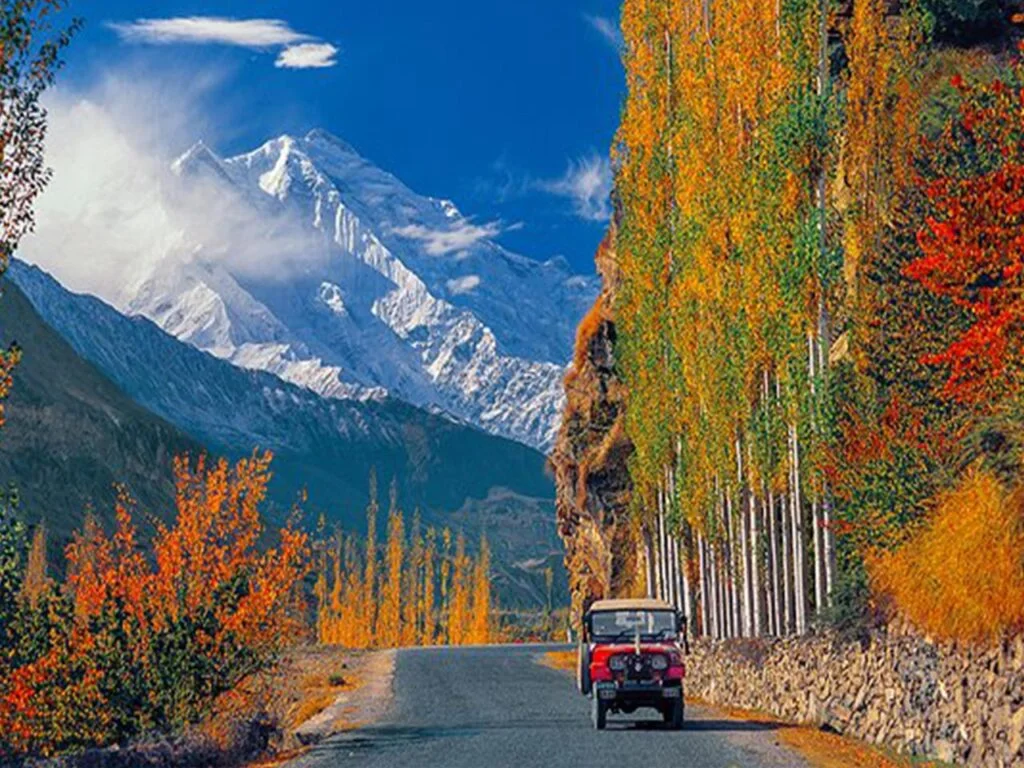
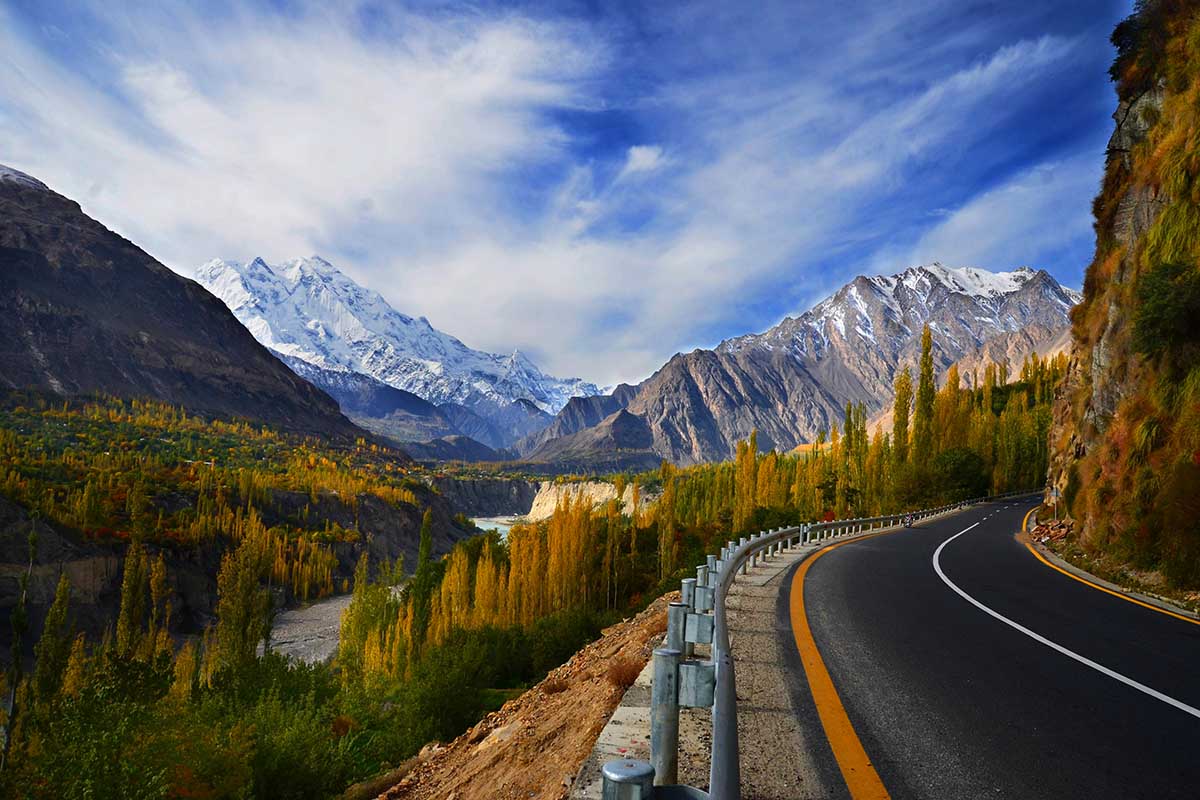
The Karakoram Highway (KKH) connects Pakistan to China through GB.
It runs through some of the most dramatic mountain scenery imaginable.
Built over 20 years at enormous human cost, it is considered one of the greatest engineering achievements of the 20th century.
Driving the KKH is a bucket-list experience in itself.
3. Ancient Civilisations and Silk Road History
GB Pakistan was a vital corridor on the ancient Silk Road.
Traders, monks, and conquerors passed through these valleys for centuries.
The evidence is everywhere in ancient rock carvings, in Buddhist stupas, in centuries-old forts, and in the blend of cultures that still define the region today.
4. Stunning Natural Diversity
GB Pakistan has:
- High-altitude glaciers, including the Baltoro Glacier one of the world’s longest outside the polar regions
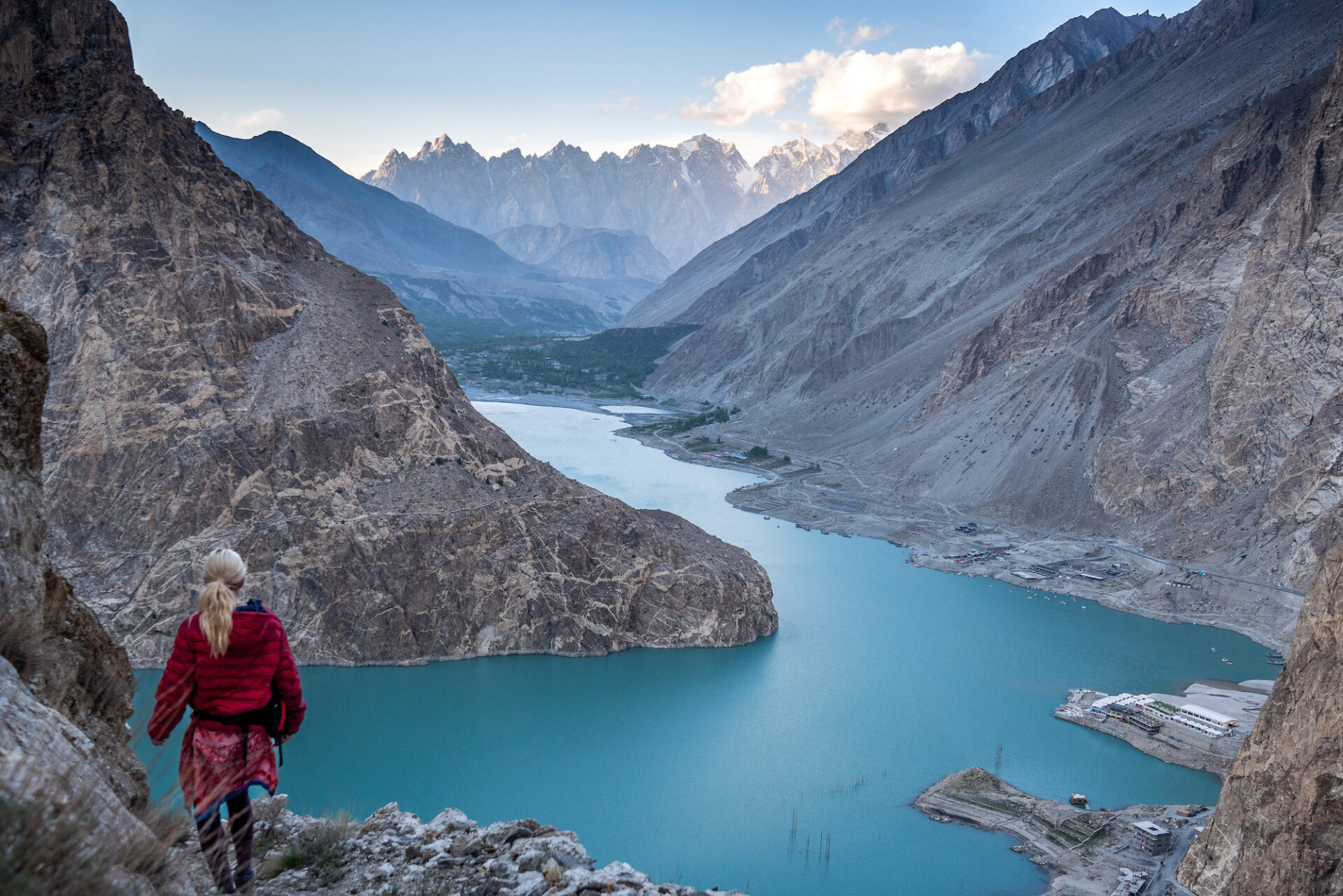
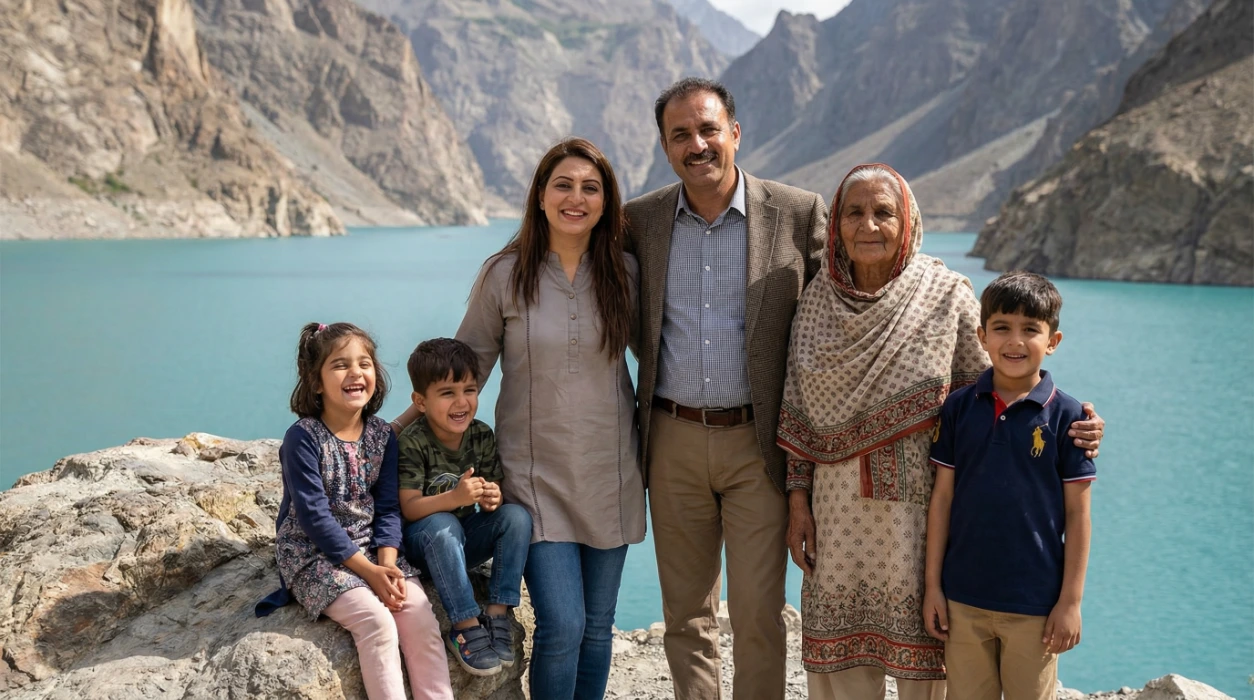
- Turquoise mountain lakes like Attabad Lake, Satpara Lake, and Rush Lake
- Vast alpine plateaus like Deosai the world’s second highest plateau
- Lush green valleys like Hunza, Nagar, Astore, and Ghizer
- Arid river gorges carved by the mighty Indus
Top Destinations in GB Pakistan
Hunza Valley
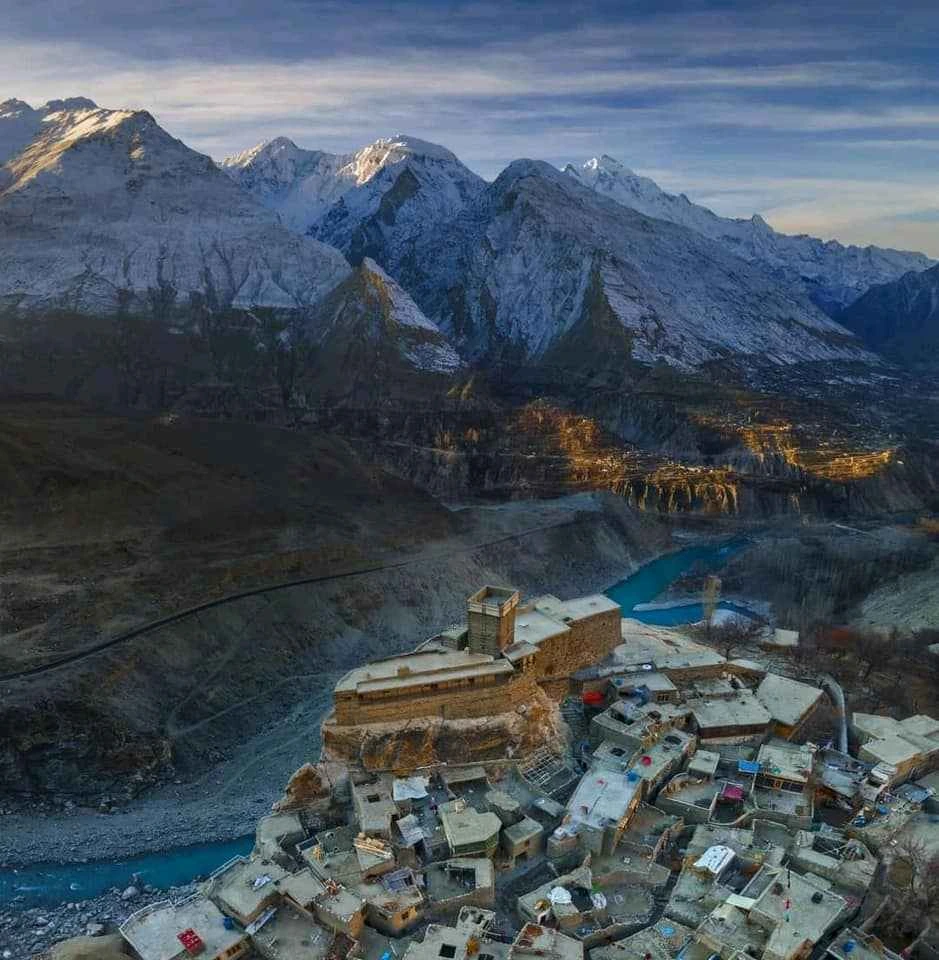
Hunza is the crown jewel of GB Pakistan.
It sits at around 2,438m above sea level and is flanked by some of Pakistan’s most iconic peaks Rakaposhi (7,788m) and Ultar Sar (7,388m).
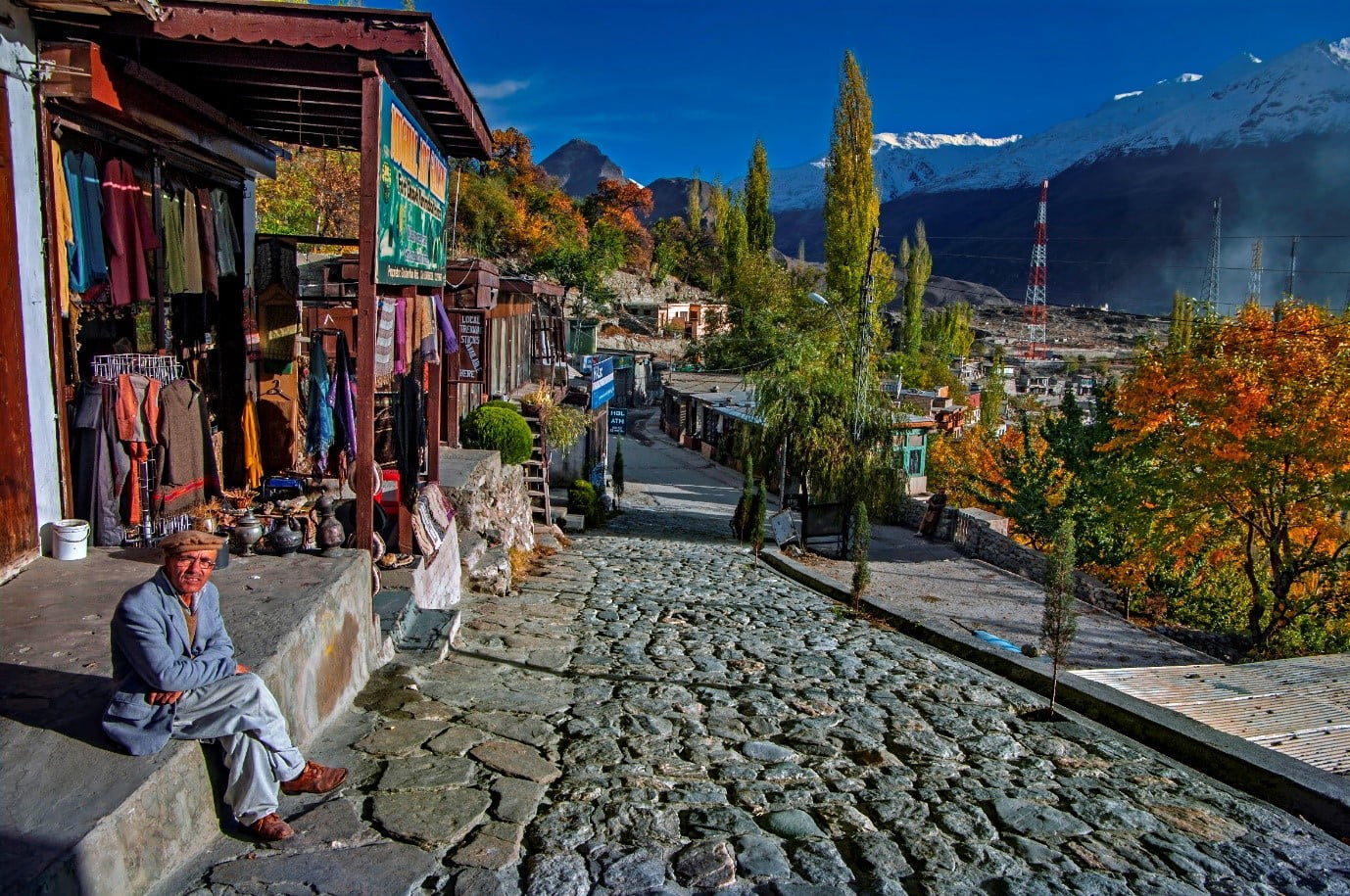
Karimabad, the main town, is where most visitors stay. It offers:
- Panoramic views of the surrounding peaks
- Baltit Fort a 700-year-old royal fort, beautifully restored
- Altit Fort one of the oldest forts in the region
- The famous Eagle’s Nest viewpoint
- Cherry and apricot blossoms in spring
- A thriving local food and craft scene
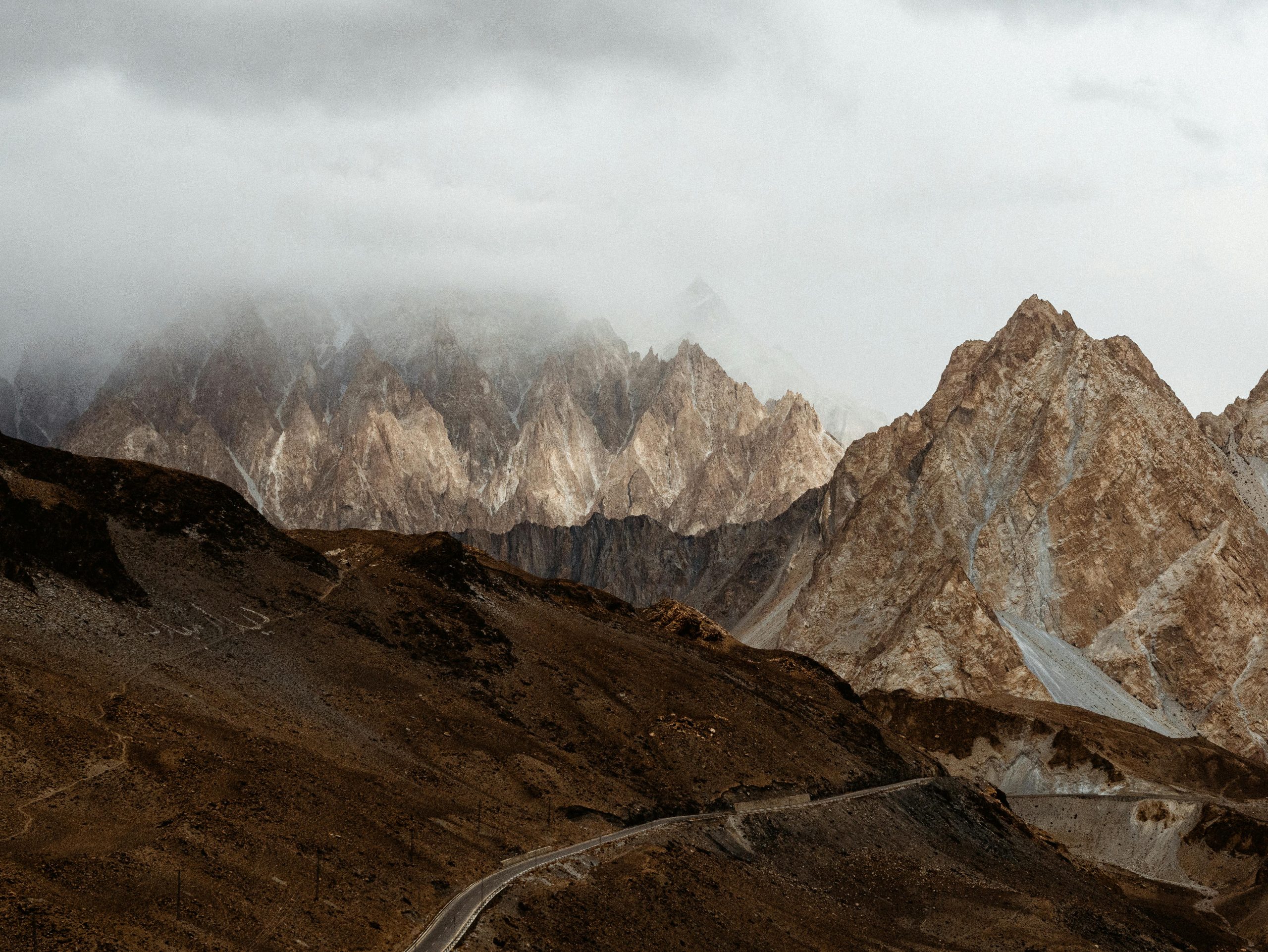
Further up the valley lies Attabad Lake a surreal turquoise lake born from a 2010 landslide and the Passu Cones, dramatic cathedral-like peaks rising from the valley floor.
Near the Chinese border is Khunjerab Pass (4,693m) the highest paved international border crossing in the world.
Skardu
Skardu is the gateway to some of the world’s most extreme mountain adventures.
Sitting in a wide, high-altitude valley on the banks of the Indus, Skardu is the base for:
- K2 Base Camp Trek one of the world’s most coveted trekking routes
- Concordia where four eight-thousanders converge
- Baltoro Glacier a 63km river of ice
But Skardu is not just for serious mountaineers.
It is also home to:
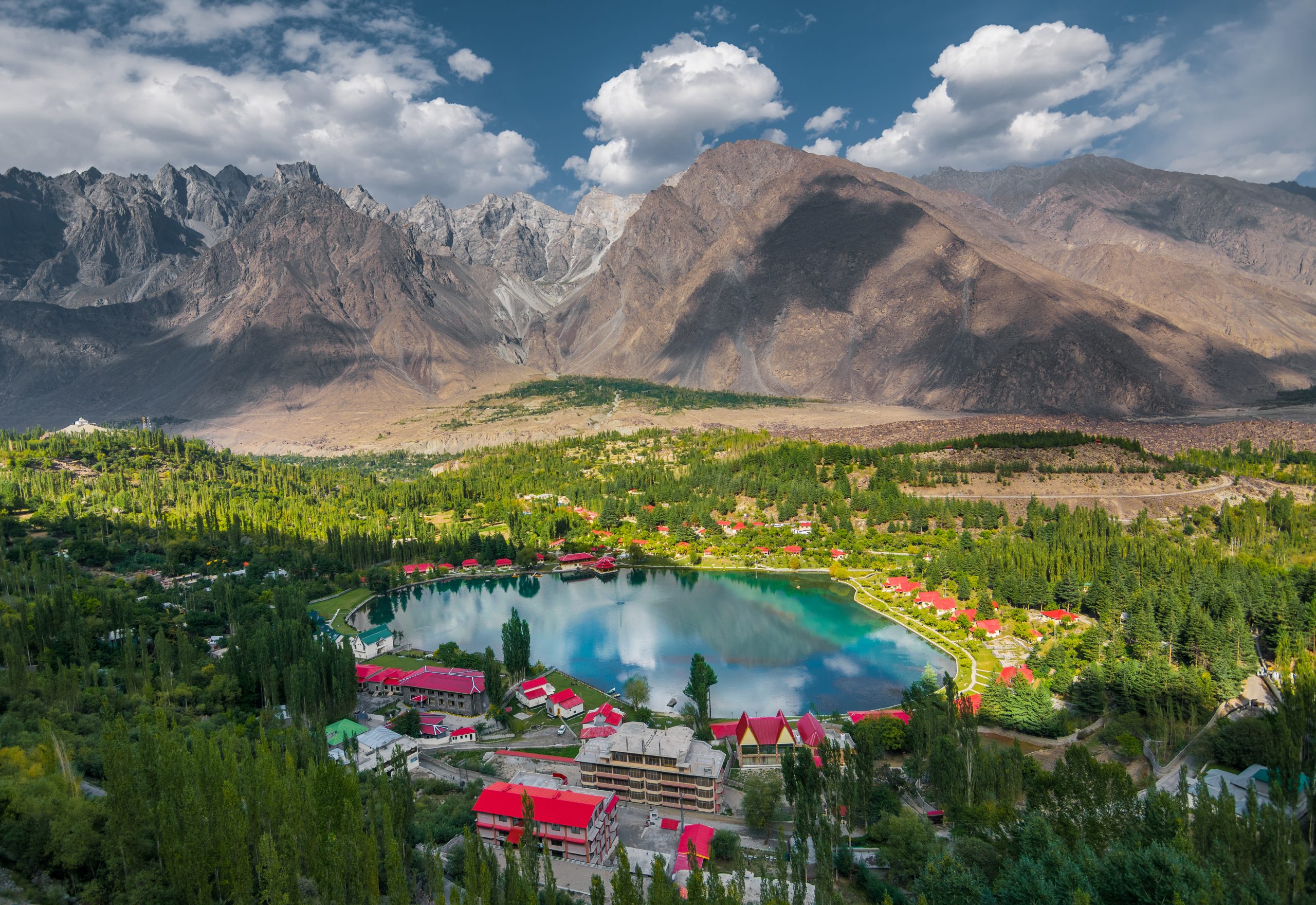
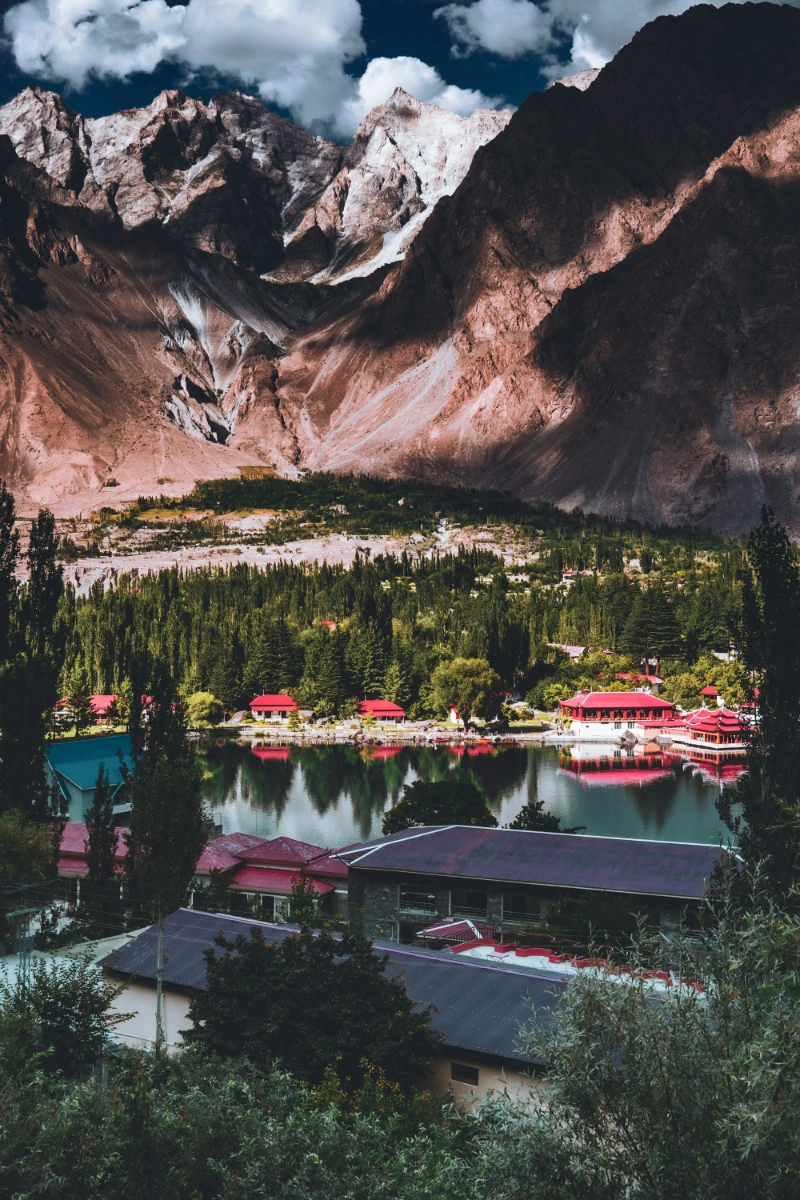
- Shangrila Resort (Lower Kachura Lake) one of Pakistan’s most photographed lakes
- Satpara Lake a peaceful blue lake surrounded by mountains
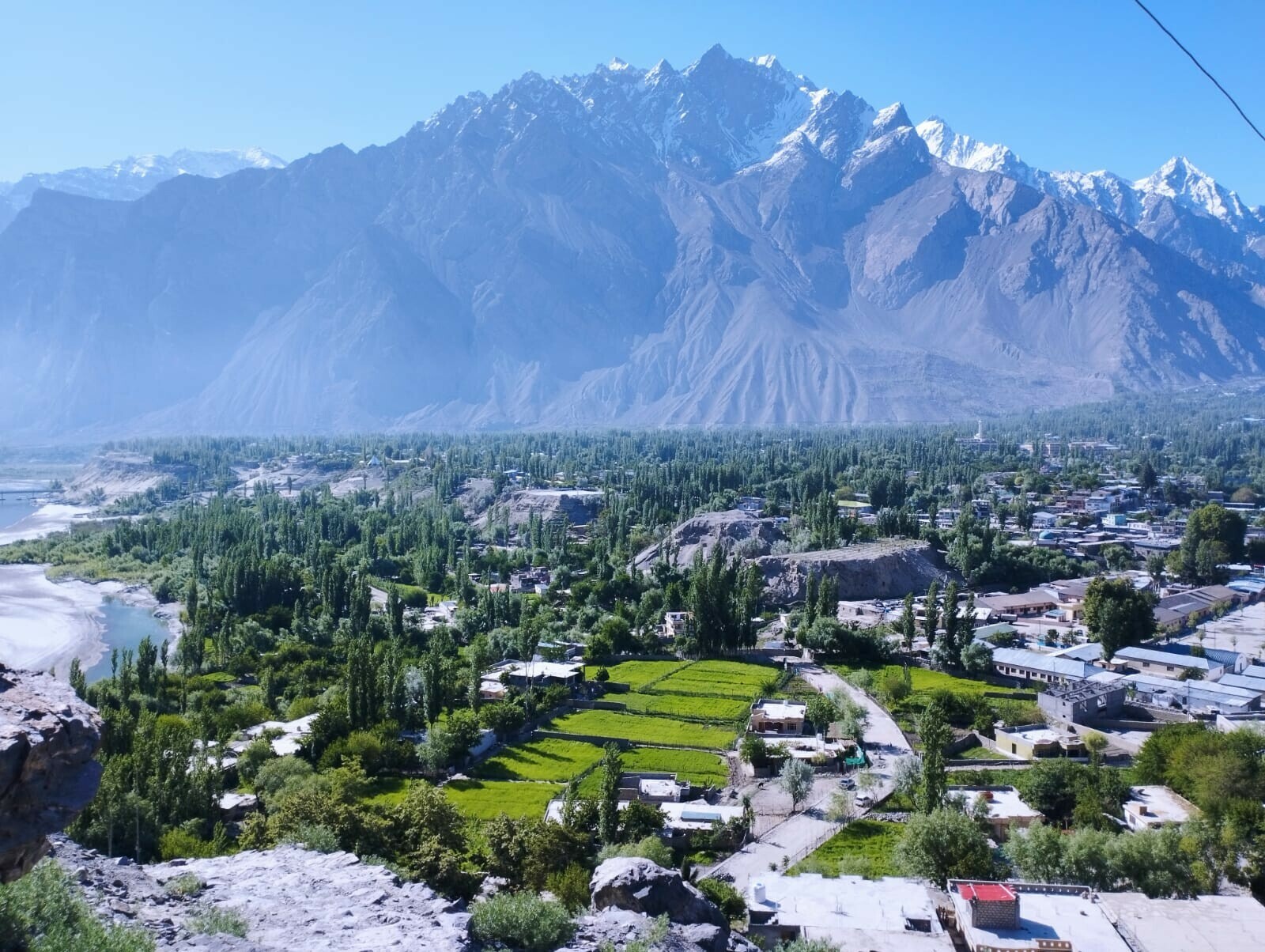
- Skardu Fort an ancient hilltop fortress with stunning valley views
- Shigar Valley a lush green valley with the magnificent Shigar Fort
Gilgit City
Gilgit is the beating heart of GB Pakistan.
It is where roads from Hunza, Skardu, Chitral, and the KKH all meet.
Historically, Gilgit was a crucial post on the Silk Road and later a key point during the colonial “Great Game” between Britain and Russia.
Today, it is a modern, growing city with bazaars, restaurants, and easy access to surrounding valleys.
Kargah Buddha — a large rock-carved Buddha from the 7th century sits just outside the city and is one of the most important Buddhist heritage sites in the region.
Astore Valley
Astore is one of GB Pakistan’s most underrated valleys.
It is green, quiet, and deeply beautiful.
From Astore, trekkers can reach Fairy Meadows the famous flat plateau at the base of Nanga Parbat, offering one of the most dramatic mountain views in the world.
Astore is also the starting point for Rama Meadows and Rama Lake a stunning alpine lake surrounded by pine forests and peaks.
Ghizer Valley
Ghizer is the westernmost district of GB Pakistan.
It is less visited than Hunza or Skardu which makes it perfect for travelers seeking solitude.
The Ghizer Valley runs along the Ghizer River and offers:
- Phander Lake a gorgeous blue-green lake in a wide, peaceful valley
- Khalti Lake a quieter, equally beautiful sister lake nearby
- Ancient forts and Silk Road heritage sites
Ghizer connects GB Pakistan to Chitral and ultimately to Dir and the rest of KPK.
Deosai National Park
Deosai is one of nature’s great surprises.
At an average altitude of 4,114m, it is a vast, flat plateau the second highest in the world covered in wildflowers during summer.
It is home to:
- The Himalayan brown bear (endangered)
- Snow leopards
- Tibetan wolves
- Golden marmots
- Hundreds of migratory bird species
Deosai is accessible from both Skardu and Astore and is a protected national park
Culture and People of GB Pakistan
The people of GB Pakistan are among the warmest you will ever meet.
The region is home to multiple ethnic groups, each with its own language and traditions:
- Shina spoken in Gilgit, Diamer, and Astore
- Balti spoken in Skardu, Shigar, and Ghanche
- Burusho spoken in Hunza and Nagar
- Khowar spoken in Ghizer
- Wakhi spoken in the upper Hunza and Gojal region
Most people in GB Pakistan are Muslim, with communities following the Sunni, Shia, and Ismaili traditions.
The Ismaili community, particularly prominent in Hunza, has a strong tradition of education, community development, and progressive values supported for decades by the Aga Khan Development Network (AKDN).
This cultural blend makes GB Pakistan a place of genuine diversity and harmony.
Traditional music, polo, and embroidery are among the most celebrated cultural expressions in the region.
The annual Shandur Polo Festival held at the world’s highest polo ground is one of Pakistan’s most iconic cultural events.
GB Pakistan for Trekkers and Adventurers
GB Pakistan is a global destination for serious trekkers and mountaineers.
Some of the world’s greatest trekking routes pass through this region:
Trek | Duration | Highlights |
K2 Base Camp & Concordia | 16–21 days | K2, Broad Peak, Gasherbrum, Baltoro Glacier |
Nanga Parbat Base Camp (Raikot) | 4–5 days | Fairy Meadows, Nanga Parbat North Face |
Rush Lake Trek | 3–4 days | Rush Lake — one of Pakistan’s highest lakes |
Rakaposhi Base Camp | 2–3 days | Close-up views of Rakaposhi |
Snow Lake & Hispar Pass | 18–24 days | Remote glacier crossing, extreme adventure |
Deosai Traverse | 3–5 days | High-altitude plateau, wildlife, wildflowers |
You do not need to be a professional mountaineer to trek in GB Pakistan.
Many routes are accessible to fit beginners with the right guide and preparation.
Inside Gilgit Baltistan organises guided treks for all levels — from easy valley walks to multi-week glacier expeditions.
Best Time to Visit GB Pakistan
Season | Months | Why Visit |
Spring | March – May | Blossoms in Hunza, mild weather, fewer crowds |
Summer | June – August | Peak trekking season, all roads open, warm days |
Autumn | September – October | Clear skies, golden colours, harvest season |
Winter | November – February | Snow landscapes, quiet travel, cold |
The ideal travel window for most visitors is April to October.
Spring is exceptional in Hunza — the apricot and cherry blossoms turn the valley pink and white.
Summer is best for high-altitude treks and crossing the Khunjerab Pass.
Autumn brings golden hues, cool air, and less crowded sights.
How to Get to GB Pakistan
By Road
The Karakoram Highway connects Islamabad to Gilgit (approximately 600km). The drive takes 14–18 hours and is one of the most scenic road journeys in the world.
From Gilgit, roads branch out to Hunza, Nagar, Ghizer, and Skardu.
By Air
Pakistan International Airlines (PIA) operates regular flights from Islamabad to:
- Gilgit Airport
- Skardu Airport
Both airports are scenic and dramatic — the approach to Skardu is considered one of the world’s most spectacular flight paths.
Important: Flights to GB Pakistan are weather-dependent and subject to cancellations. Always have a road travel backup plan, or fly one way and drive the other.
Travel Essentials for GB Pakistan
Documents:
- Pakistani nationals need their CNIC
- Foreign nationals need their passport and may require a No Objection Certificate (NOC) for restricted areas
Currency:
- The Pakistani Rupee (PKR) is used throughout
- ATMs exist in Gilgit and Skardu but are limited in smaller towns — carry cash
Connectivity:
- Mobile signals are available in major towns but limited in remote valleys
- PTCL broadband is available at most hotels and guesthouses
Health:
- Stay hydrated — altitude affects everyone
- Acclimatize gradually, especially above 3,500m
- Carry basic medicines, sunscreen, and warm layers
Frequently Asked Questions About GB Pakistan
Is GB Pakistan safe to travel?
Yes. GB Pakistan is one of the safest regions in Pakistan for tourists. The local communities are welcoming, and tourist infrastructure has improved significantly over the past decade.
Do I need a guide to explore GB Pakistan?
A guide is not legally required for most areas but is strongly recommended. Local guides understand the terrain, culture, language, and logistics in ways no app or map can replicate.
How many days do I need for GB Pakistan?
A minimum of 7 days is recommended for Hunza alone. 14–21 days allows you to cover Hunza, Gilgit, and Skardu comfortably. For serious trekking, plan for 3–4 weeks or more.
Is GB Pakistan expensive?
GB Pakistan is very affordable compared to global mountain destinations. Budget travelers can explore comfortably, while mid-range and luxury options are also increasingly available.
Can families with children visit GB Pakistan?
Absolutely. GB Pakistan is suitable for families. Hunza and Skardu in particular have comfortable accommodations, easy-access viewpoints, and family-friendly activities.
Explore GB Pakistan with Inside Gilgit Baltistan
Inside Gilgit Baltistan the digital presence of Northern Passage Tours & Travels is Pakistan’s dedicated tour operator for Gilgit Baltistan.
We are not just a travel agency. We are insiders.
Our team is from GB. We know these mountains, these roads, these communities. We know which guesthouse has the best view of Rakaposhi. We know where to stop for the best apricot juice on the KKH. We know the hidden valley that does not appear on any tourist map.
When you travel with us, you travel with people who call this place home.
What we offer:
Customised private tours for families, couples, and solo travelers
Group departure tours for budget-conscious explorers
Guided trekking packages easy to advanced
Photography tours for landscape and travel photographers
Corporate retreats and team adventures in the mountains
Full logistics vehicle, accommodation, meals, permits, guide
Start Your GB Pakistan Journey Today
The mountains of Gilgit Baltistan are waiting.
Whether you want to drive the Karakoram Highway, stand at the foot of K2, float on Attabad Lake, or simply sit in an apricot orchard in Hunza and breathe Inside Gilgit Baltistan will make it happen.
Based in: Islamabad, Pakistan
Call/WhatsApp: [Your Number Here]
Email: [Your Email Here]
Website: InsideGilgitBaltistan.com
GB Pakistan is not just a destination. It is a turning point.
Book your tour today with Inside Gilgit Baltistan and discover why travelers who come here always want to return.
Inside Gilgit Baltistan is the official digital brand of Northern Passage Tours & Travels a registered Pakistani tour operator specialising in travel, trekking, and adventure across Gilgit Baltistan.
Contact us today. Your northern adventure begins now.
● Phone: 0303-4364467 || 0310-6406568
● Email: info@naturehikepakistan.pk
Terms & Conditions Apply.


